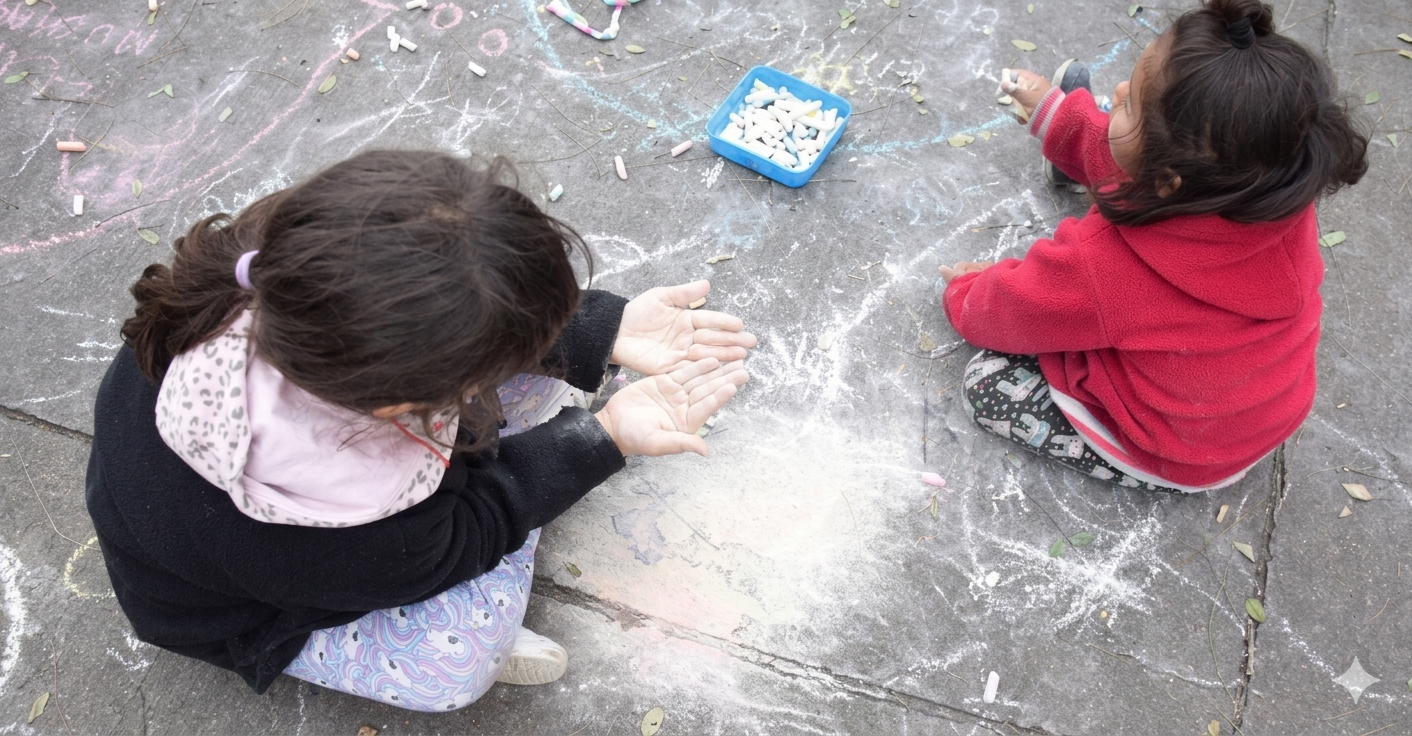
The Comprehensive Early Childhood Plan is an intersectoral public policy developed by the Ministry of Human Development and Habitat of the City of Buenos Aires to guarantee the rights and wellbeing of children from pregnancy through five years of age. The initiative promotes a comprehensive approach to early childhood by coordinating healthcare, nutrition, education, protection, and caregiving services across different government agencies and partner organizations.

The strategy focuses on strengthening equal opportunities during the first years of life through integrated public services and family support systems. It targets approximately 155,000 children aged 0 to 5 and their families, while also indirectly benefiting more than 465,000 people. The plan emphasizes prevention, early intervention, and quality care, recognizing early childhood as a key stage for cognitive, emotional, and social development.

Official Name of Signatory

Ciudad Autónoma de Buenos Aires

Delegation

Other

Website of the Signatory

Name of the person presenting the Good Practice

Gabriel Mraida

Position/Job Title of person presenting the Good Practice

Minister of Human Development and Habitat

Aim of the Good Practice

To guarantee the exercise of the rights of children in the City of Buenos Aires from pregnancy through five years of age through an intersectoral management strategy that comprehensively coordinates programs, services, and public policies aimed at early childhood development. The Comprehensive Early Childhood Plan promotes an integrated and preventive approach that places children and their families at the center of public policy. The initiative seeks to ensure equal opportunities from the earliest stages of life by strengthening access to healthcare, nutrition, early learning, protection systems, and quality caregiving environments. The strategy is based on coordination among different government areas, educational institutions, healthcare providers, social protection systems, and civil society organizations in order to improve the quality, accessibility, and effectiveness of services for young children and their caregivers. In addition, the plan incorporates data-driven management tools and monitoring systems that allow the government to identify gaps, prioritize interventions, and improve decision-making processes based on evidence and measurable outcomes. The initiative also promotes the use of innovation and digital tools to strengthen coordination between sectors, improve access to information for families, and enhance the monitoring of child development indicators across the city.

Target Group of the Good Practice

Family Unit, Parents, Children & Youth, Women

Annual Monitoring Report

2026

Implementation period

March 2025 - Present

Consistency over time

The signing of an interinstitutional Agreement Act established a long-term governance framework designed to ensure the continuity and sustainability of the strategy beyond changes in government administrations. This institutional commitment strengthens coordination among participating sectors and guarantees the long-term implementation of early childhood policies across the City of Buenos Aires.

Evaluation of the Good Practice

The evaluation of the initiative is based on the results provided by the Early Childhood Indicators Dashboard, which is updated every six months to collect and analyze data on children under the age of five in the City. The monitoring system assesses key indicators related to: Good health and adequate nutrition Early learning and development Safety and protection Sensitive and responsive caregiving This evidence-based monitoring framework allows policymakers to track progress, identify inequalities, evaluate the impact of interventions, and continuously improve the quality and effectiveness of services provided to children and families.

Key stakeholders and partnerships

Governments (national, regional, local), Public administration, Social protection system, Business (employers), Service sector (Educational and childcare institutions), Healthcare providers, NGOs

Link for more information

Future Goal 1

Expand coverage and improve access to services for children and families across the City of Buenos Aires.

Future Goal 2

Standardize and improve the quality of care and services provided within the early childhood system.

Future Goal 3

Strengthen evidence-based and data-driven decision-making processes to improve policy design, implementation, and evaluation.