According to statistical data obtained from the 2024 Biennial Survey, 42% of young people believe that the education system does not adequately prepare them for entering the labor market. This diagnosis highlights the need to strengthen comprehensive public policies capable of addressing education, employability, and wellbeing through an integrated approach.

In response, the City of Buenos Aires has committed to consolidating and expanding strategies aimed at improving youth employability and autonomy by promoting the development of key skills necessary for insertion into a dynamic and constantly evolving productive environment.

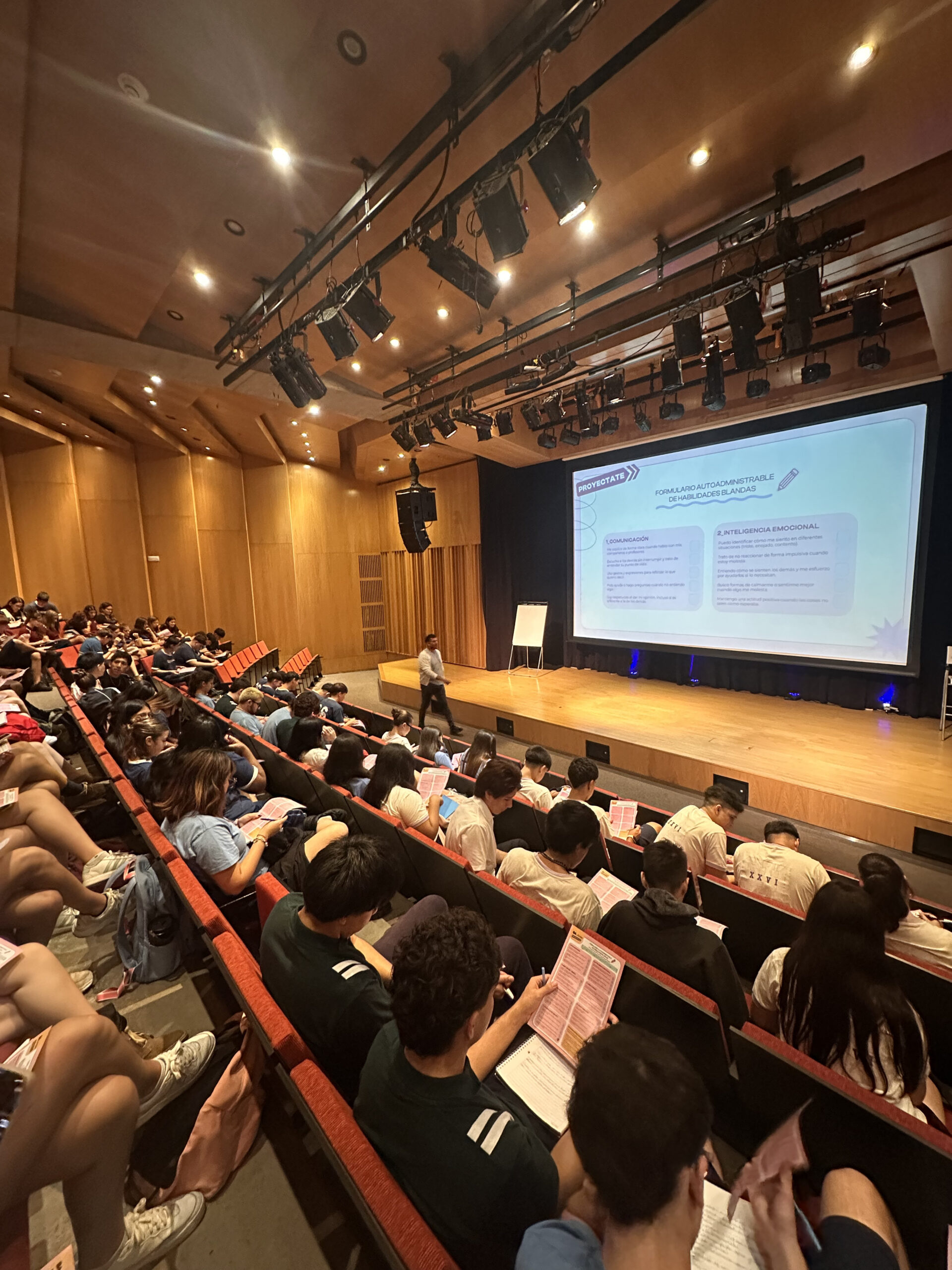
Within this framework, the implementation of the PROYECTATE program stands out as a comprehensive public policy initiative targeted at young people between the ages of 16 and 29. The program integrates educational, labor, and socio-emotional dimensions through a systemic and holistic approach.

Official Name of Signatory

Ciudad Autónoma de Buenos Aires

Delegation

Other

Website of the Signatory

Name of the person presenting the Good Practice

Stefano Salmeri

Position/Job Title of person presenting the Good Practice

General Manager of Youth Policies

Aim of the Good Practice

- The strengthening of soft skills such as effective communication, collaborative work, critical thinking, and adaptability, all considered essential cross-cutting competencies for workforce integration. - The development of digital skills and the strategic use of artificial intelligence tools, aligned with emerging labor market demands and with a strong emphasis on ethical and responsible use. - Socio-emotional wellbeing support through workshops and support mechanisms addressing stress, anxiety related to decision-making, and challenges associated with the transition into adulthood. - Intersectoral coordination with public institutions, the private sector, and civil society organizations to create concrete opportunities for connection with the labor market. - Access to professional networks, scholarships, and training opportunities that contribute to educational continuity and access to quality employment pathways.

Target Group of the Good Practice

Children & Youth

Annual Monitoring Report

2025

Implementation period

January 2025 - December 2026

Consistency over time

n terms of implementation consistency, the program projects an estimated monthly reach of 4,000 young people, ensuring sustained and continuous territorial presence throughout the City of Buenos Aires. The initiative is designed to maintain regular programming and stable access to training and support opportunities over time.

Evaluation of the Good Practice

During the implementation of the program, satisfaction surveys are conducted at each in-person workshop in order to qualitatively assess participants’ experiences and evaluate the effectiveness of the activities developed. According to the statistical data collected: 53.4% of participants considered the content provided to be “very useful.”, 91.9% stated that the materials delivered during the workshops were appropriate and relevant and 95% of respondents indicated that they did not identify aspects requiring improvement within the workshops. These results demonstrate a high level of participant satisfaction and highlight the program’s relevance in addressing the educational, emotional, and professional development needs of young people.

Key stakeholders and partnerships

Public administration, Business (employers), Service sector (Educational and childcare institutions), NGOs

Link for more information

Future Goal 1

Expand the reach of the program in order to impact a larger number of young people, broadening the age range to provide educational and professional development tools to a wider segment of the city’s youth population.

Future Goal 2

Promote the professionalization and training of young people by providing them with concrete tools that facilitate workforce integration and long-term employability.

Future Goal 3

Expand access to professional training opportunities and concrete pathways to employment for young people through stronger partnerships with educational institutions, private sector organizations, and third-sector actors.